


After three years of independent and uncompromising harm reduction journalism, Mobtown Redux will have a new comrade in the fight against the War on Drugs in Baltimore.
Starting in January, Mobtown Redux and Scalawag, an abolitionist magazine covering oppressed communities in the South, will co-publish the weekly Redux Newsletter. Through this partnership, the publications aim to bolster Mobtown Redux's coverage of addiction, drug policy and the harm reduction movement in Baltimore — all while paving the way for a new wave of reporting that advocates for drug users in the South and beyond.
Have no fear: The hard-hitting journalism that readers have come to expect isn't going anywhere.
Mobtown Redux will continue to publish regularly scheduled newsletters that uplift drug users and hold to account those in power who threaten their livelihoods. This website will also still house my work for publications such as the Baltimore Beat and Filter.
However, with Scalawag's support, readers can expect higher quality journalism and an opportunity to bring even more people into the harm reduction movement. Scalawag will also publish the newsletter on its website, making this a massive opportunity to platform reporting that puts the rights of drug users first.
More details will come next month. But first, some things must be said:
I first began writing about drugs in Baltimore nearly three years ago, drawing on lived experience with drug use and a passion for human rights to inform my writing. Over time, Mobtown Redux has evolved, transitioning from a small passion project to a known voice in Baltimore.
What once was an online news publication started by a 27-year-old outsider straight out of a rehab facility has now become a fierce, advocacy-based newsletter that refuses to pull punches.
Over time, I've found my voice. And as evidenced by this partnership, there's a place for that in the current media ecosystem. In Baltimore or elsewhere in the nation, the media scene is plagued with publications run by affluent, white liberals who choose to platform both sides instead of fighting for what's right.
In my case, what's right is compassion and autonomy for drug users, a stigmatized population that must be afforded the same rights as any other group of people. That voice has become more powerful this year, and those in power have taken notice.
This partnership not only marks a seminal moment in Mobtown Redux's journey, but it also demonstrates that people truly care about those who use drugs. Scalawag has embodied radical, liberation-focused journalism in the South for years, and its willingness to platform journalism hellbent on ending the drug war illustrates a strong set of shared values that aim to free drug users of the constraints of oppression and stigma.
This upcoming year promises to be a significant one for Mobtown Redux, and I'm eternally grateful for those who have supported my work over the years. Without your support, independent harm reduction journalism would not exist in Charm City.
Cheers to 2026, and remember: No More Drug War.
Sincerely,
Logan Hullinger
Want to support Scalawag and Mobtown Redux? Check out your options below:



Read the last Redux Newsletter: "A Baltimore harm reductionist's Christmas wishlist"
Christmas is almost here, and my only wish is for drug policy reform. Well, there are actually quite a few things — but they are all related to advancing the harm reduction movement and fighting for human rights in Baltimore.
From overdose prevention centers to simply a semblance of compassion from public officials, harm reductionists have a lot to ask for. Unfortunately, all these things require political will from our status quo-loving elected officials, so these may be some unrealistic requests. It is, however, the season of giving. And I'm kindly demanding that they hand over the goods. Or else.
Read the full newsletter here.
Mobtown Redux's Overdose Data has been updated with the latest local, state and national data
There were 777 overdose deaths in Baltimore in 2024, a 25.5% decrease from the year prior, according to preliminary data.
In the 12-month period ending in October, Baltimore saw 560 deaths, a death rate of 95.2 per 100,000 people. Statewide, there were 1,290 deaths, a death rate of 20.9 per 100,000 people.
The data shows that fatal overdoses continue to trend downward after years of climbing, though poor Black neighborhoods in West Baltimore continue to suffer the most.
Check out Mobtown Redux's Overdose Data Dashboard here.
Click here to learn more about harm reduction resources in the Baltimore area.
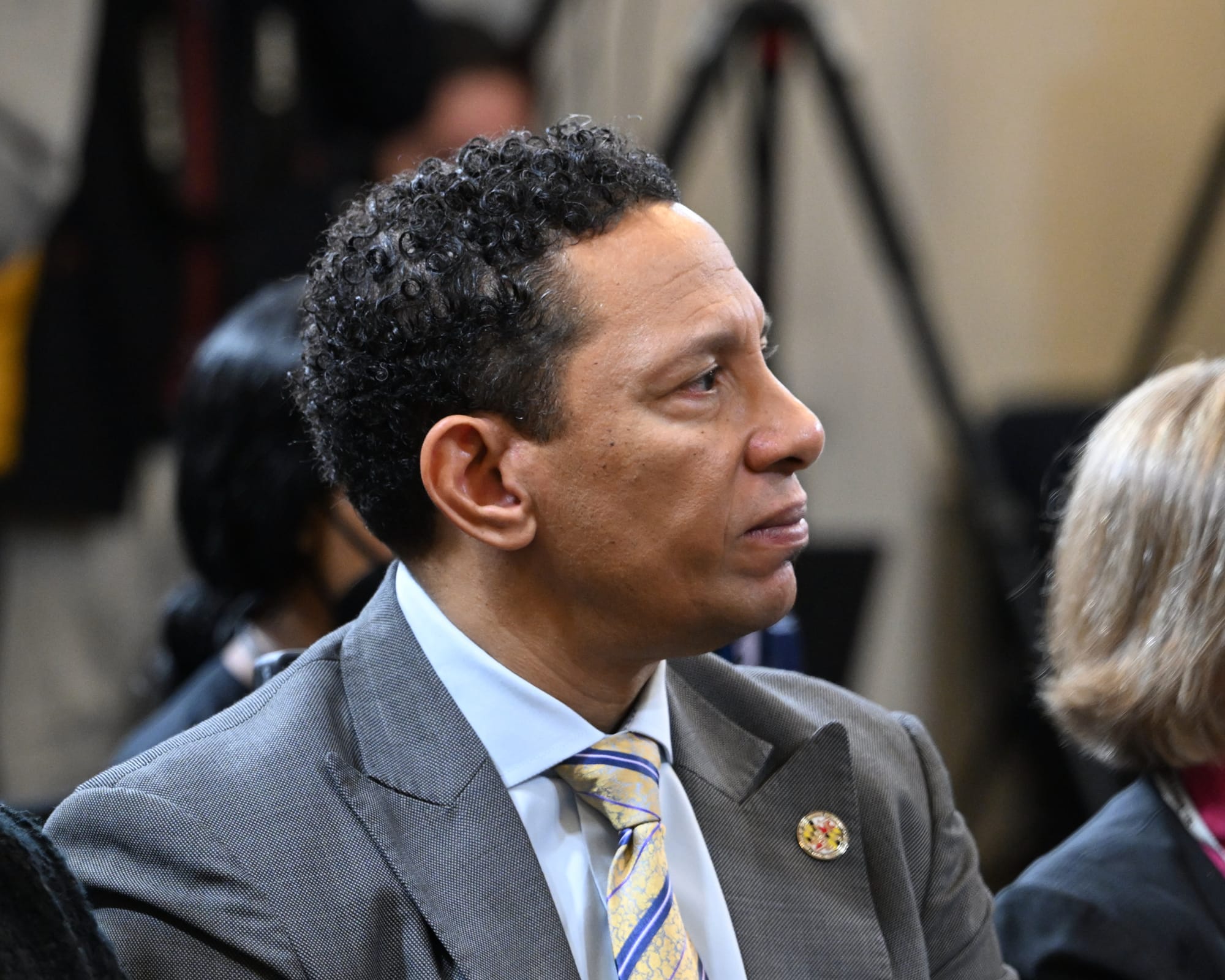
Filter: "Oklahoma Bill Would Require EMS to Call the Cops After Reversing an OD"
Oklahoma legislators will consider a proposal requiring first responders to notify law enforcement if they reverse an overdose. House Bill 2941 was introduced by Representative Steve Bashore (R) on December 15 and is prefiled for discussion on February 2, 2026. If enacted, it would take effect November 1, 2026. In most states such a proposal would appear to contravene “Good Samaritan” protections for overdose survivors, but Oklahoma doesn’t have any.
“When any first responder … responds to an incident in which the first responder reasonably believes a person is experiencing or has experienced a drug overdose, the first responder shall contact local law enforcement as soon as practicable after attending to the medical needs of the person,” the bill states. “The obligation to contact law enforcement does not require delay in providing medically necessary emergency care.”
Click here to read the full article.
Comments